A JOB OPPORTUNITY AWARENESS FOR YOUNG ADULTS WITH NEURODEVELOPMENTAL CONDITIONS
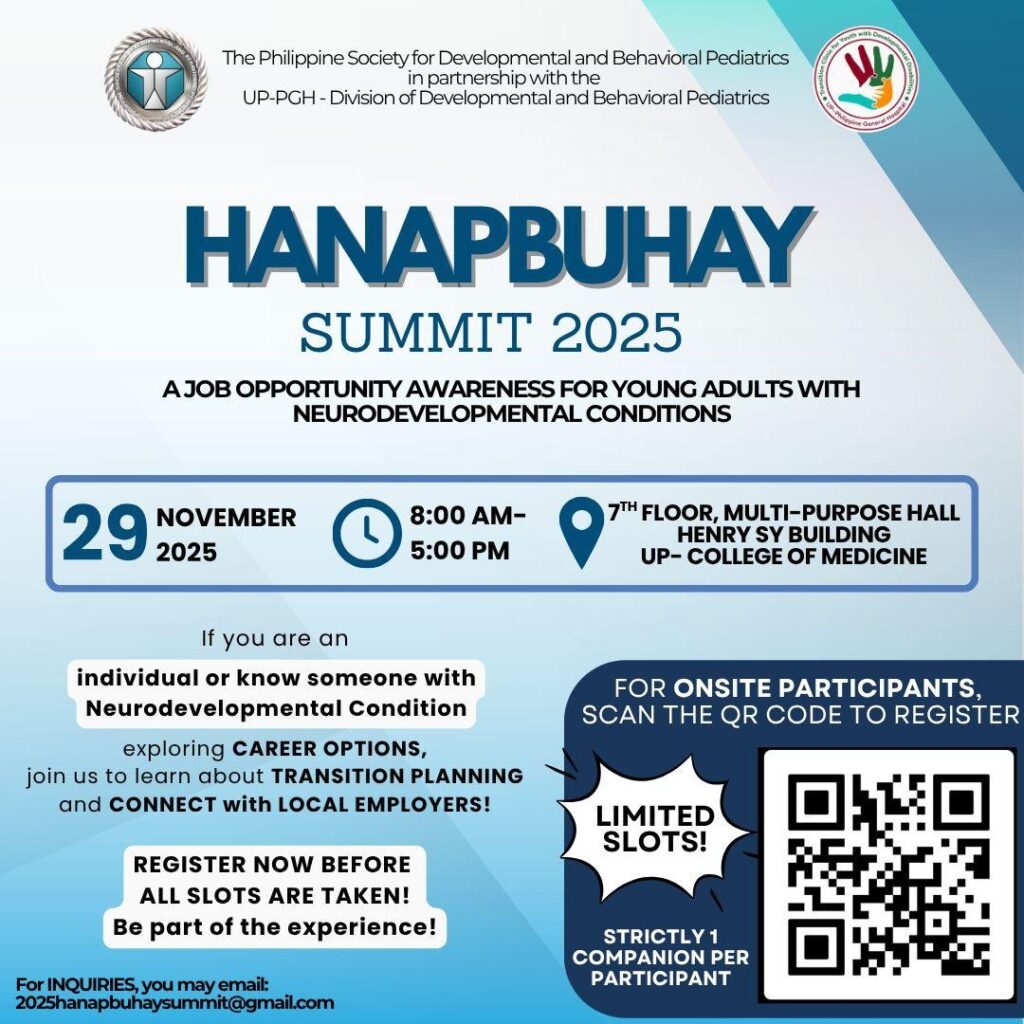
The HanapBuhay Summit is a joint initiative of the Philippine Society for Developmental and Behavioral Pediatrics (PSDBP) and the UP-PGH Division of Developmental and Behavioral Pediatrics.
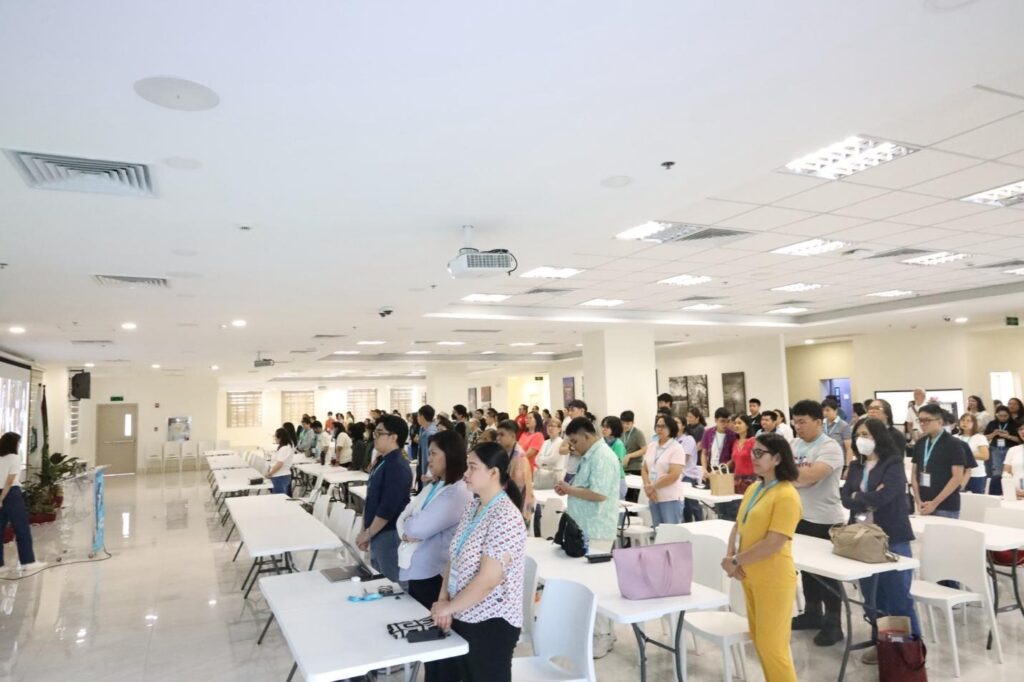
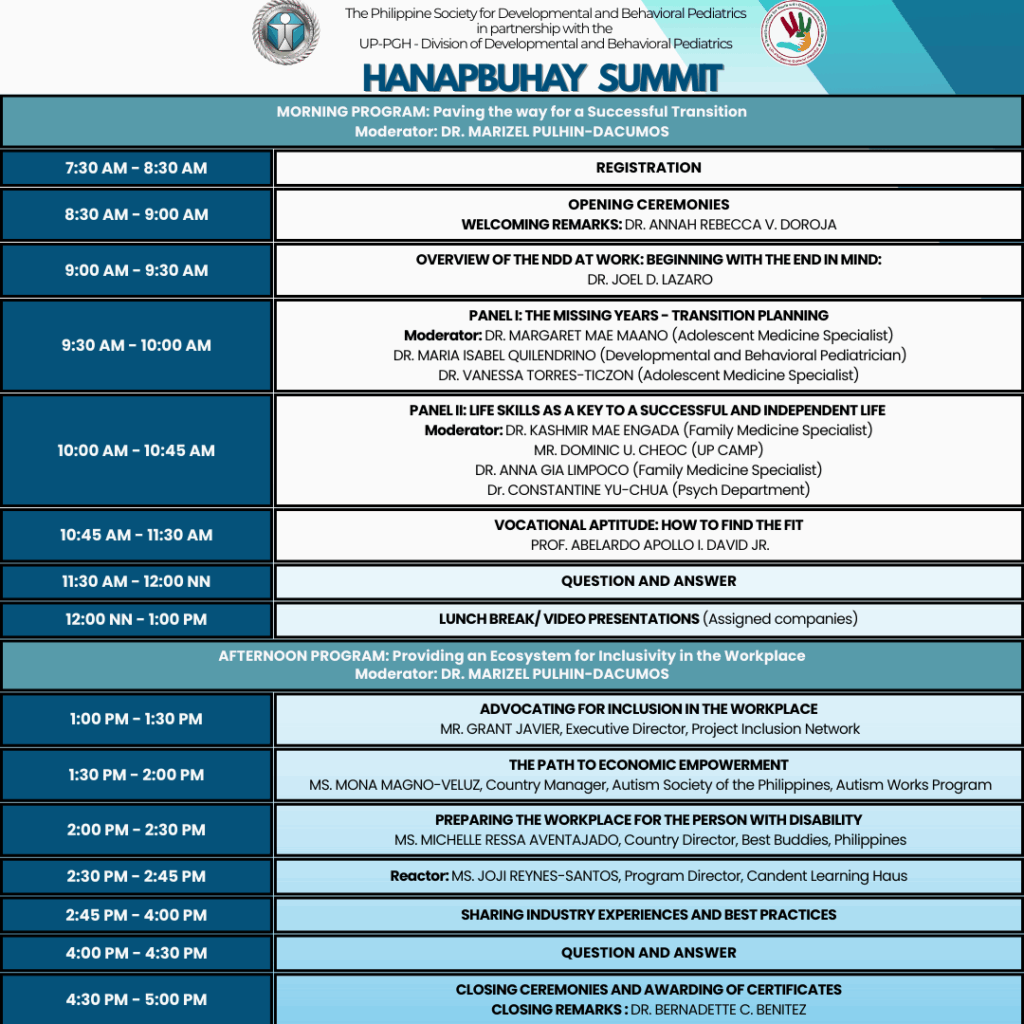
The summit opened with hope in the air, as Dr. Annah Rebecca V. Doroja welcomed participants into a shared mission: to believe that neurodiverse individuals deserve not just support, but opportunity, dignity, and a place in the workforce. She reminded everyone that this work is not merely advocacy, but a responsibility to the next generation.

If we say we believe in neurodiverse strengths, do our systems show it?
The morning deepened with Dr. Joel Lazaro, who invited the audience to “begin with the end in mind” — envisioning a future where neurodiverse Filipinos enter adulthood with direction, purpose, and support. He emphasized that employment is not something we stumble into at 18. It is something we build toward from early childhood.
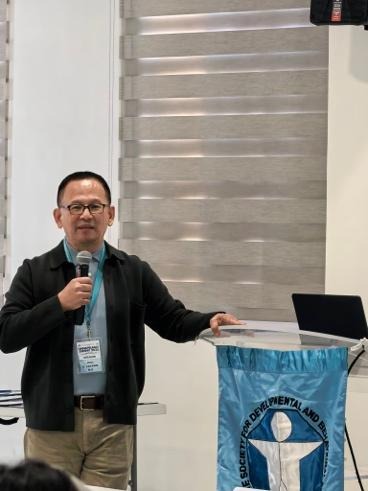
If independence is the goal, what are we doing today to prepare for it?
In Panel I, Dr. Margaret Mae Maano, Dr. Maria Isabel Quilendrino, and Dr. Vanessa Torres-Ticzon spoke boldly about the “missing years” of adolescence — a time often left unsupported, unsupervised, or misunderstood. They showed how thoughtful transition planning gives teens the emotional tools, confidence, and guidance they need to cross from childhood to adulthood with dignity.
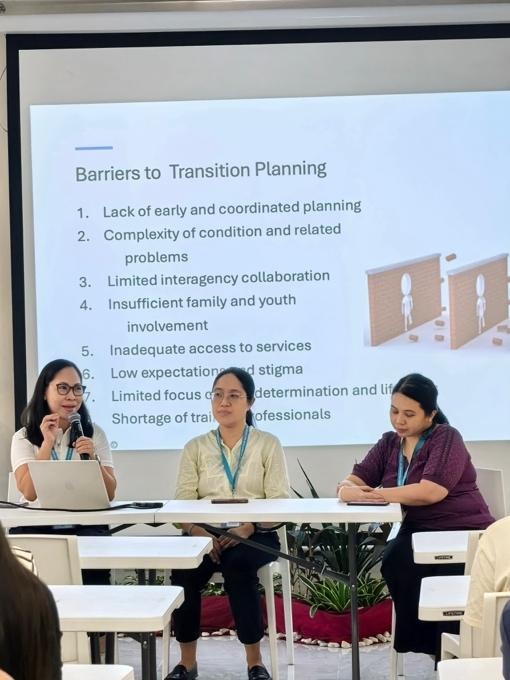
What happens to our youth when we don’t guide them through these missing years?
The message continued in Panel II, where Dr. Kashmir Mae Engada, Dominic Cheoc, Dr. Anna Gia Limpoco, and Dr. Constantine Yu-Chua reminded everyone that life skills — not grades, not test scores — are the true currency of independence. Cooking, asking for help, managing emotions, navigating the world… these skills unlock futures.
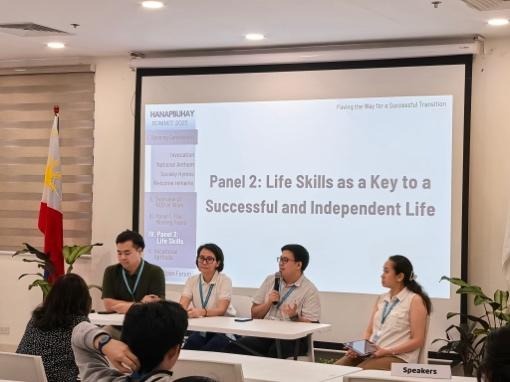
Are we teaching life skills with as much urgency as academics?
Before lunch, Prof. Abelardo Apollo David Jr. reframed employment through the lens of vocational aptitude: not “What job can this person tolerate?” but “Where can this person shine?” His stories of young people finding meaningful work because their strengths were honored lit the room with possibility.
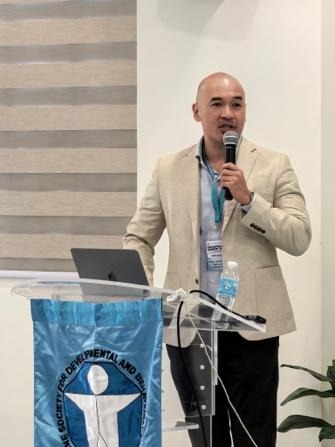
What happens when we stop fixing people and start finding their fit?
The afternoon session, “Providing an Ecosystem for Inclusivity in the Workplace,” led by Dr. Marizel Pulhin-Dacumos, transformed hope into action.
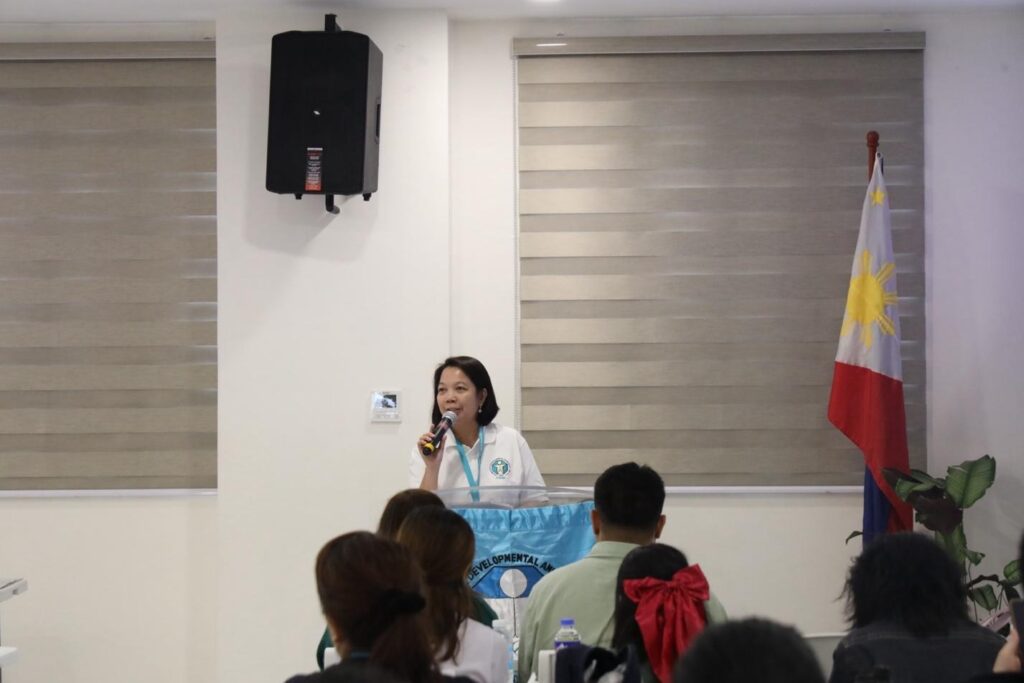
Mr. Grant Javier challenged outdated mindsets with data showing that inclusion isn’t a mystery. There are roadmaps. There are frameworks. There are tools — and they work.
If the roadmap already exists, what’s stopping us from taking the first step?
Ms. Mona Magno-Veluz brought the room to life with success stories from Autism Works: young adults receiving their first paycheck, discovering independence, and finally feeling a sense of belonging. Her message was electric: economic empowerment changes everything.
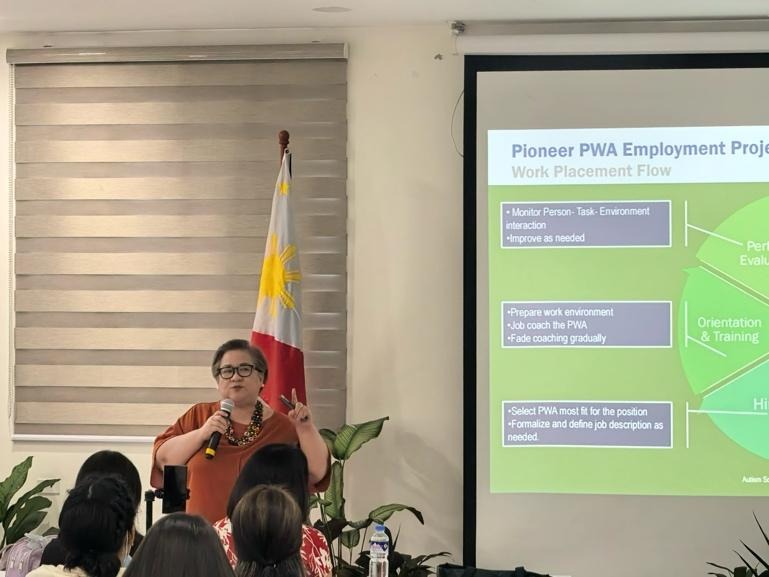
If a single paycheck can change a life, how many lives could we change with true inclusion?
Then Ms. Michelle Ressa Aventajado reminded everyone that workplaces don’t need to be perfect to be inclusive. They simply need to be prepared. A buddy system, a kind colleague, a small accommodation… these simple structures can transform a workplace into a space where neurodiverse individuals not only exist but thrive.
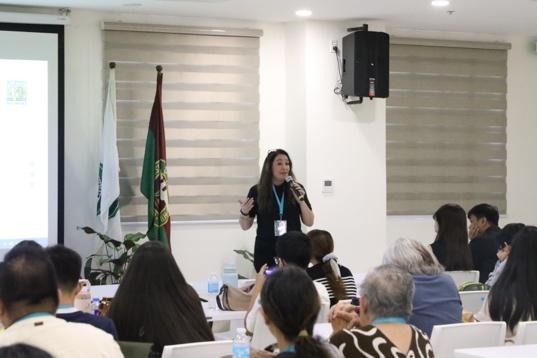
What small change can we make tomorrow that would open a door for someone today?
Finally, Ms. Joji Reynes-Santos tied the entire ecosystem together: families, schools, therapists, communities, and employers — all moving in the same direction, all choosing to believe, all choosing to support.
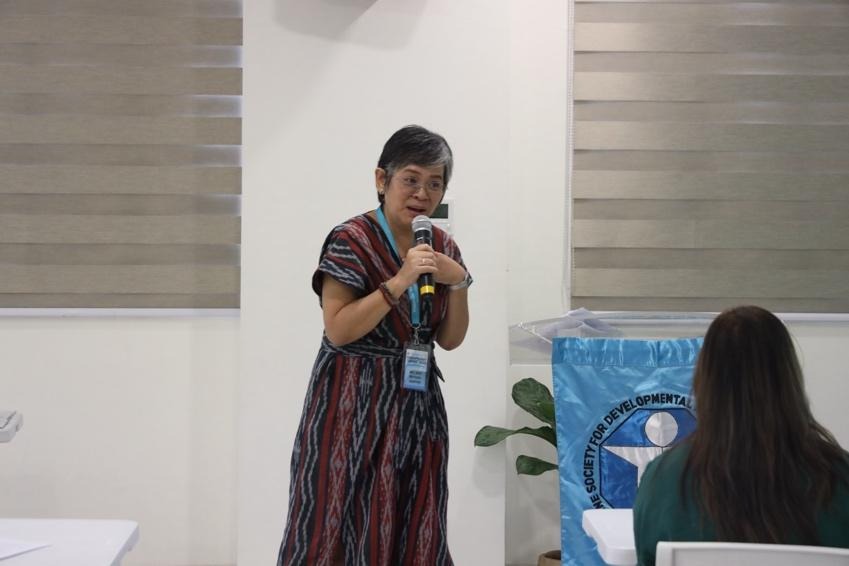
What future are we building if we do not build it together?
Industry leaders then stepped forward, sharing real stories of inclusion in real workplaces — proof that inclusion is not theoretical. It is happening. It works. It transforms teams. It strengthens companies.
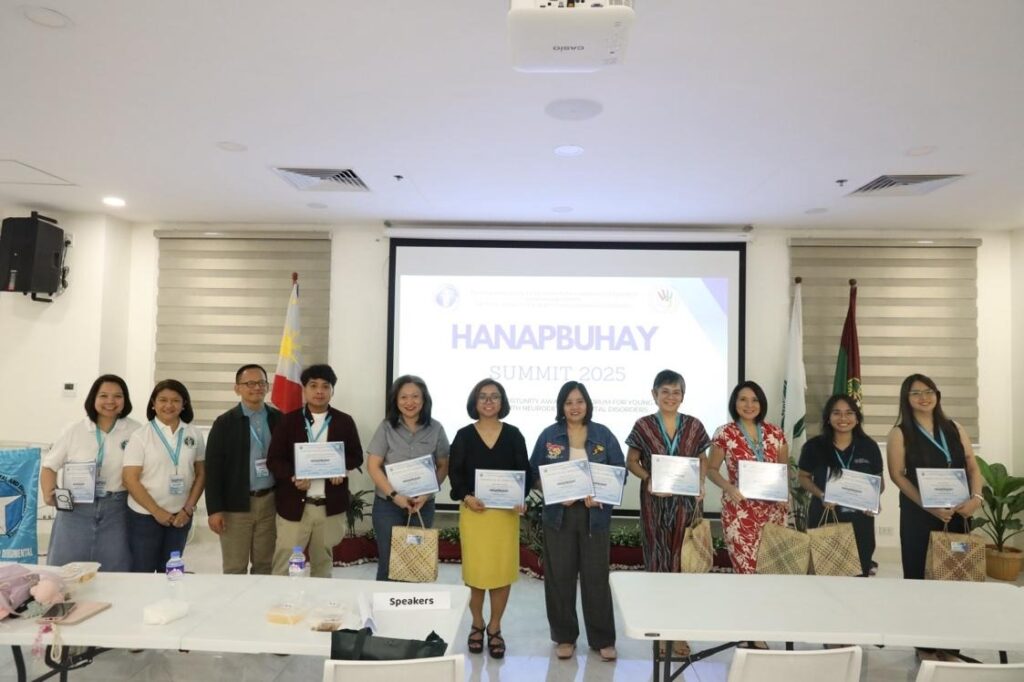
We proudly recognize the following industry presenters (in alphabetical order) for their leadership, courage, and lived commitment to neurodiversity inclusion:
Afino Coffee
Asurion
Autism Works
Best Buddies International
Candent Learning Haus
Cucina De Francesco
Helping Hands Batangas
Mr. D.I.Y
Project Inclusion Network Inc.
Shakey’s Pizza
Southstar Drug
These organizations showed that when workplaces choose understanding over fear and structure over guesswork, neurodiverse individuals flourish — and so do the companies who welcome them.
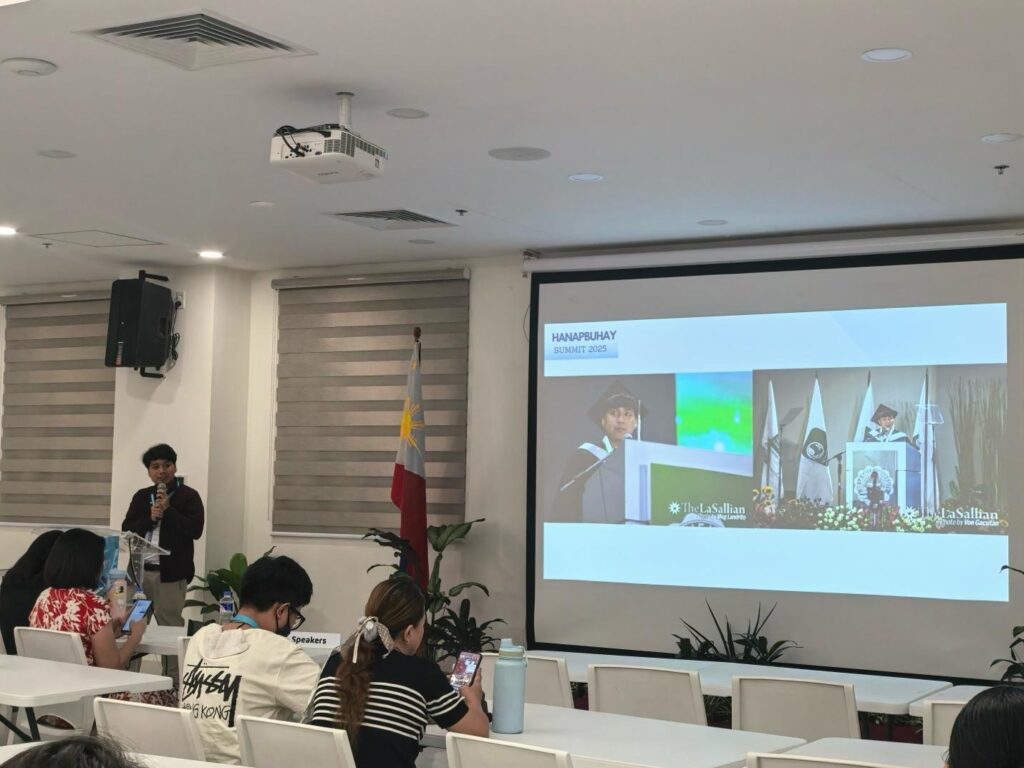
The summit’s message became even more powerful through real lived experiences. One such story came from Juan Alfonzo “Japonz” Dacumos, a De La Salle University Psychology graduate who made history when he graduated summa cum laude, proudly identifying himself as a person with autism. Japonz shared how the DLSU community, especially the Department of Psychology, offered him an affirming space to grow, belong, and embrace his neurodivergence.
Faculty and classmates who saw his strengths rather than his diagnosis helped him discover that autism is not something to outgrow, it is a part of his best self. His journey is a testament to the transformative power of acceptance and inclusive environments, reminding us that when we build spaces that honor neurodiversity, students don’t just succeed, they shine.
The day closed with Dr. Bernadette C. Benitez, who closed the day with a call to action. The entire summit underscored one message: when families, communities, and workplaces work together, neurodiverse individuals can find their place, their voice, and their future.
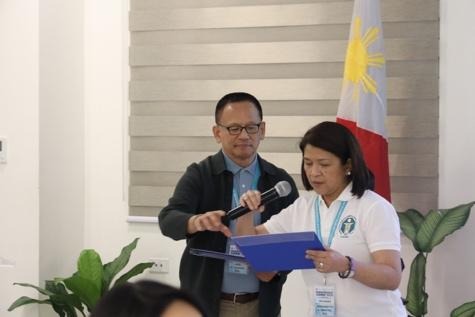
We have the roadmap. We have the frameworks. We have the lived experiences. The only step left is to walk forward—together.
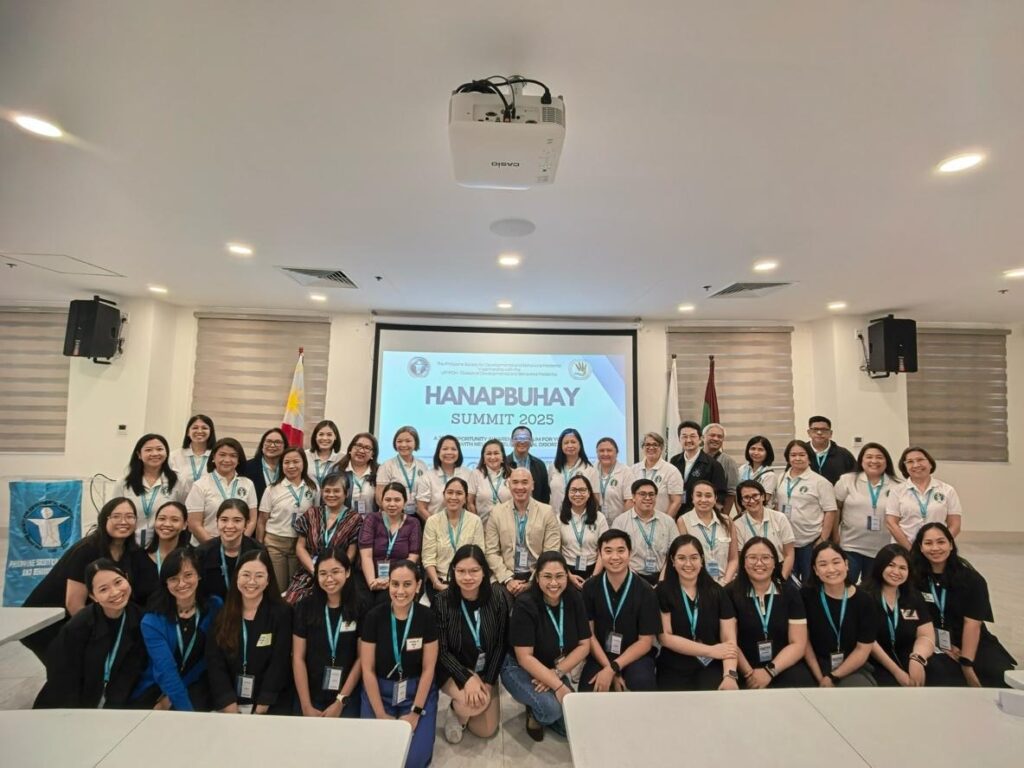
The HanapBuhay Summit was more than a program. It was a vision of a future where every neurodiverse Filipino can find meaningful work, build independence, and claim their place in society with dignity and pride.